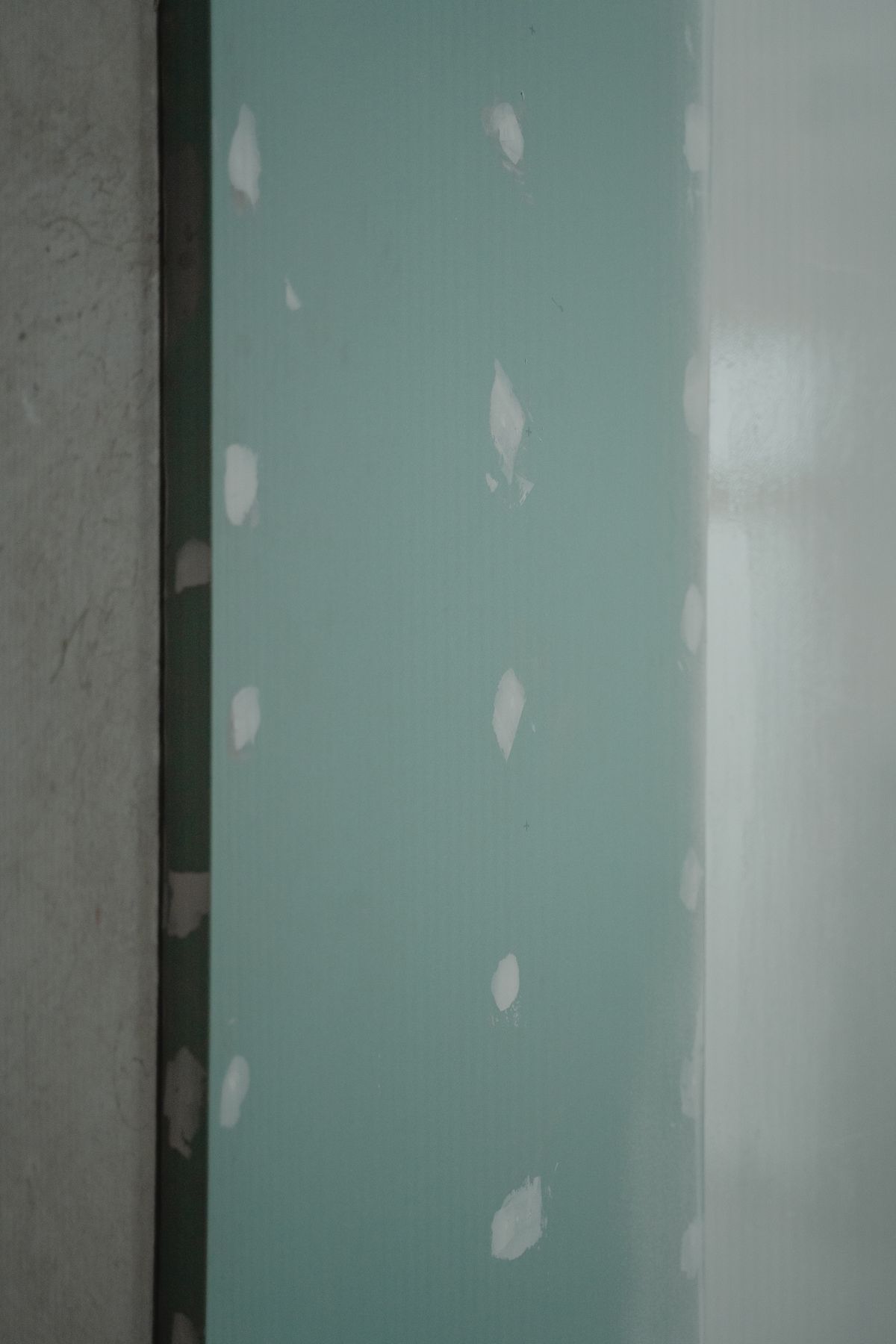
The drywall repair category spans everything from a one-minute spackle job to a project that's the visible symptom of something that needs serious investigation. Knowing which is which saves you either unnecessary expense or a mistake that costs far more later. Here's how I think about it.
Cosmetic Repairs Are DIY Territory
Nail pops, small holes (under 6 inches in any dimension), and minor scuffs are DIY territory. These are surface-level cosmetic repairs. The standard process: mesh patch or setting compound to bridge the hole, two or three coats of joint compound feathered into the surrounding surface, prime, paint. Total materials cost: under $20. Most homeowners can do this well with a little patience.
On Larger Holes, Professional is Faster and Cleaner
Holes larger than 6 inches, whether from doorknob impact, water damage cutouts, or removed fixtures, benefit from professional work primarily because feathering the repair invisibly into existing texture is a skill. If your walls have orange peel, knockdown, or skip-trowel texture, matching that finish on a DIY repair is genuinely difficult. A professional handyman will be faster and the result will be invisible. Expect this kind of repair to run $150-$350 depending on size and texture complexity.
Cracks: The Ones to Watch
Not all cracks are equal. The kind to take seriously:
- Diagonal cracks from window or door corners: these are often (not always) signs of differential foundation settlement. If the crack is simply in the drywall without deformation in the surrounding wall, it may be normal shrinkage. If there's a step in the crack where the two sides are at different heights, have a professional look at the structural picture first.
- Horizontal cracks along a wall mid-height in a basement: this is a foundation wall lateral pressure issue and is beyond cosmetic repair territory.
- Cracks that have been patched before and re-open: active movement. Need to understand why before repairing again.
Water Damage Is Never Just Cosmetic
If drywall is stained from water, bubbled, or soft to the touch, the repair can't be purely cosmetic. The source of the moisture has to be identified and stopped first. Water damage drywall typically needs to be cut out rather than patched over. Patching over wet or mold-contaminated drywall just hides the problem temporarily.
The standard process for water damage: identify and fix the source, let the cavity dry thoroughly (often with a dehumidifier running for a few days), inspect for mold, replace insulation if it's been saturated, install new drywall, tape and finish.
When a Handyman vs. Specialist
Most cosmetic drywall repair and standard hole patching is appropriate work for a skilled handyman. Foundation concerns, active mold remediation, and major structural cracking should involve a structural engineer or specialist before any cosmetic work is done. The distinction matters. Calling in the right person first saves you from patching over a problem that's going to resurface.
If you're not sure which category your drywall situation falls into, I'm happy to take a look. Frequently, a quick walk-through answers the question, and often the repair is simpler than the homeowner feared.
Serving Southeast Michigan homeowners through Iron Oak Contractors with quality craftsmanship and reliable repairs.